
The Goldilocks Principle: What Size Abstract Art Should You Actually Get?
One of the biggest decorating dilemmas isn’t about color, style, or budget—it’s about scale. You’ve fallen in love with a beautiful abstract piece, but a terrifying question looms: Is this the right size?

View and buy beautiful hand painted abstract art for home decoration >>
Choosing the wrong dimensions is the fastest way to ruin a room. A canvas that is too small will look lost and lonely on a large wall, like a postage stamp on a suitcase. A piece that is too large will swallow your furniture and make the ceiling feel like it’s caving in.
So, how do you find the "just right" size for your abstract art? Here is your guide to mastering the Goldilocks principle of art selection.
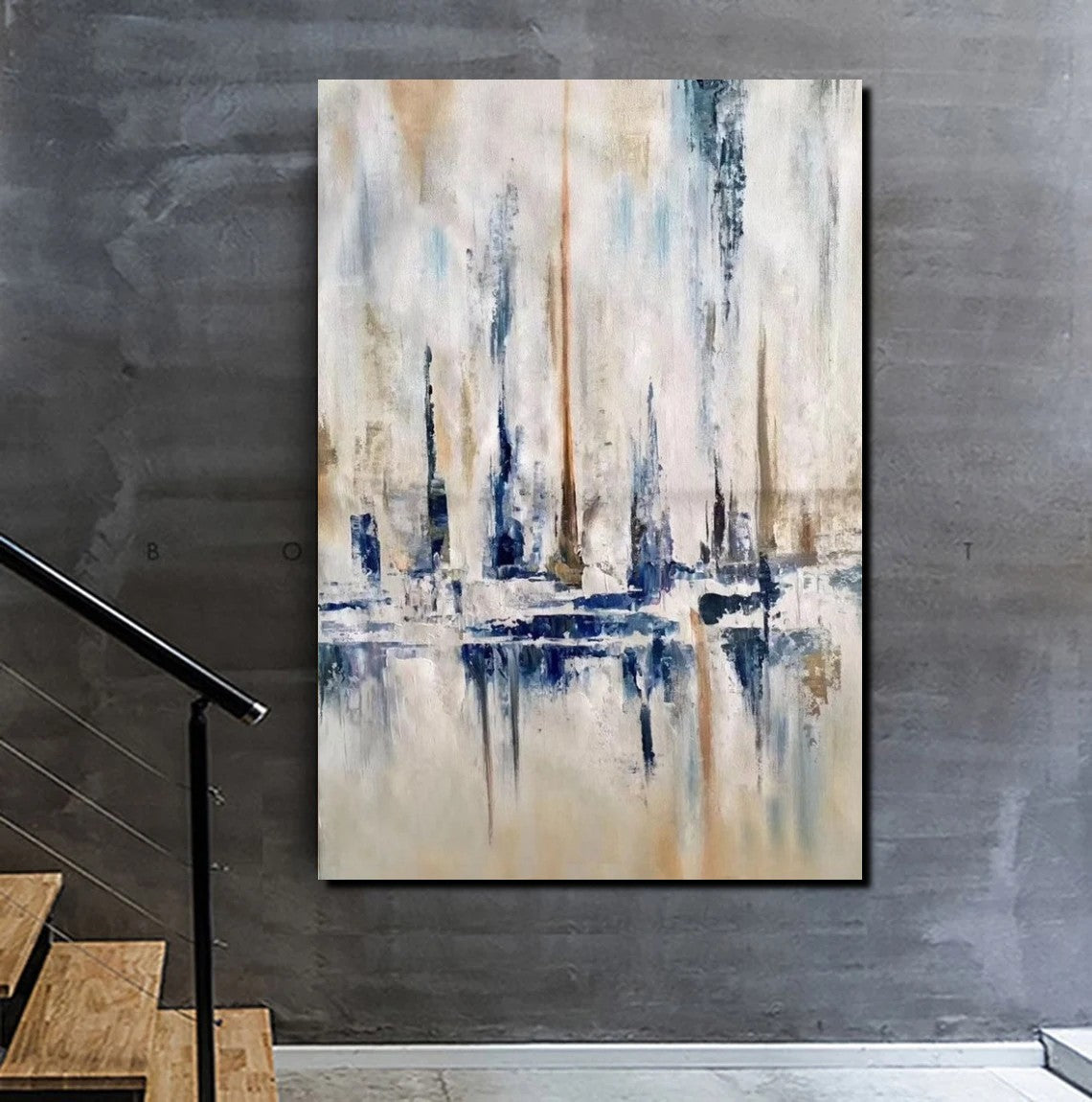
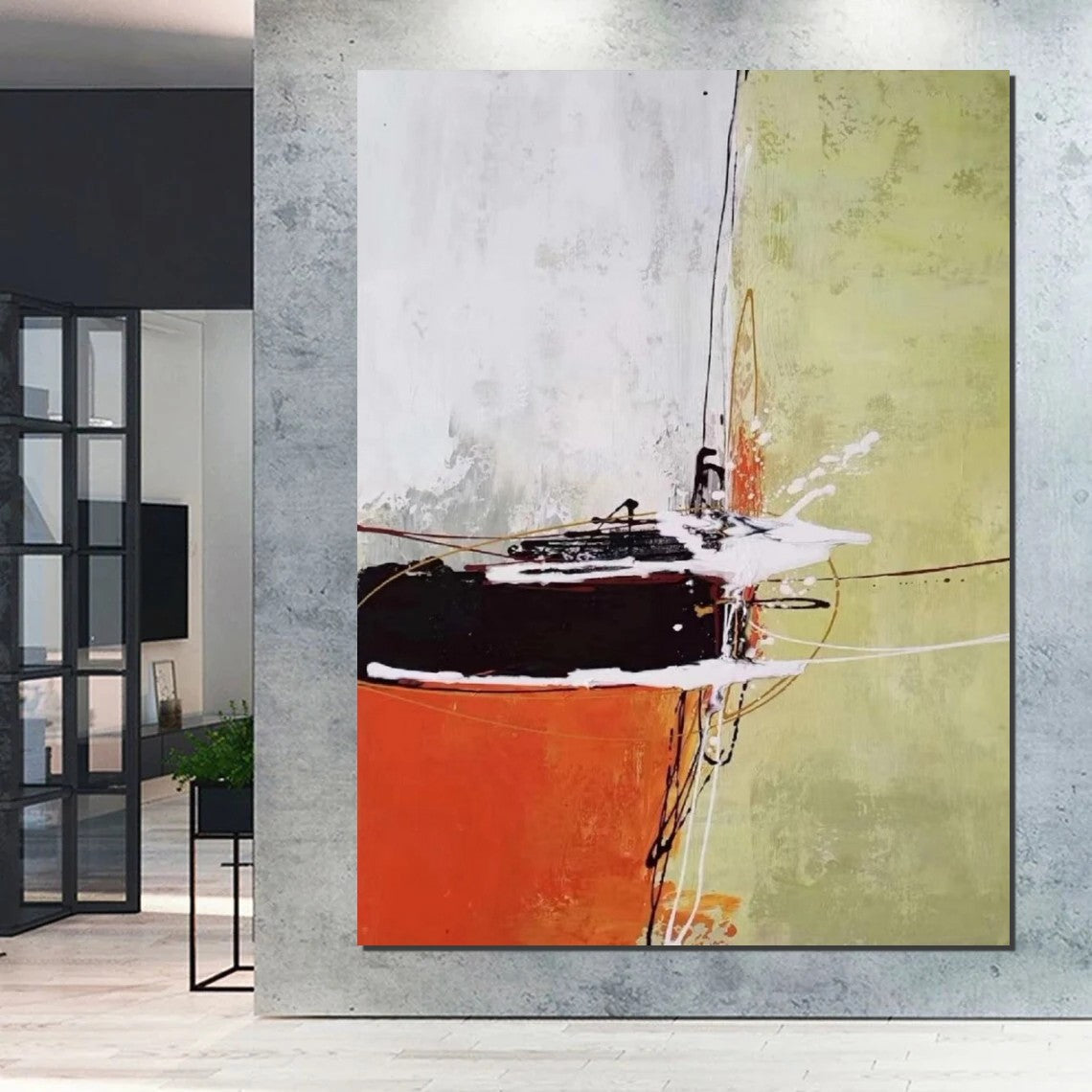
Large Wall Art For Living Room, Abstract Sail Boat Acrylic Canvas Paintings, Modern Contemporary Painting With Heavy Textures
The Golden Rule: The 2/3 to 3/4 Formula
Forget complicated math. The interior design industry relies on one simple rule: Your artwork should take up two-thirds to three-quarters of the available wall space.
Here is how you apply it:
-
Measure the width of your wall.
-
Multiply that number by 0.66 (for 2/3) and 0.75 (for 3/4).
-
The result is the ideal width range for your art.
For example, if your wall is 90 inches wide, your art should be between 60 and 68 inches wide.
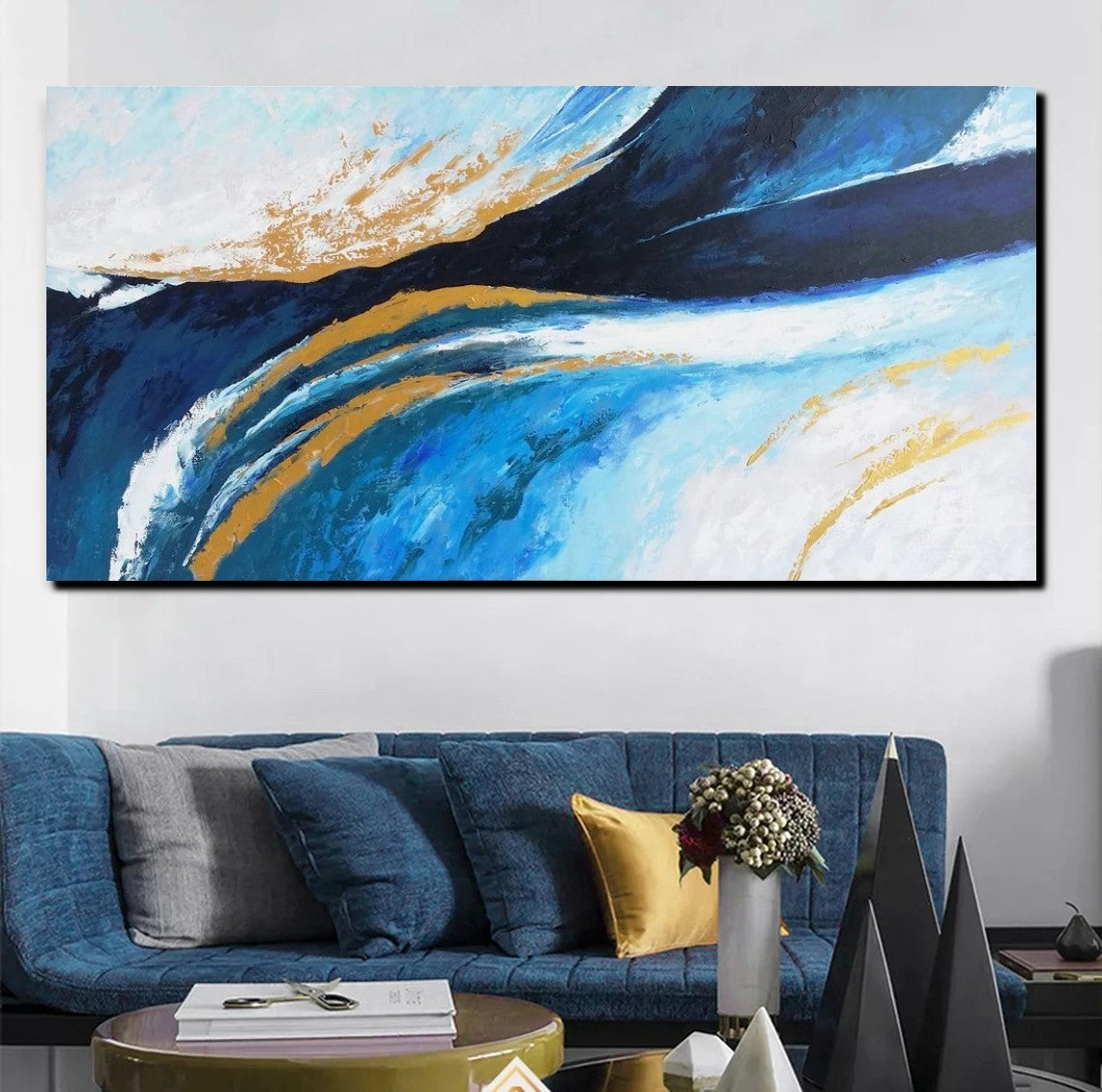
Blue Acrylic Abstract Painting Behind Couch, Large Painting On Canvas For Living Room Wall Art, Hand Painted Modern Art
Sizing for Specific Rooms
The Living Room (Above the Sofa)
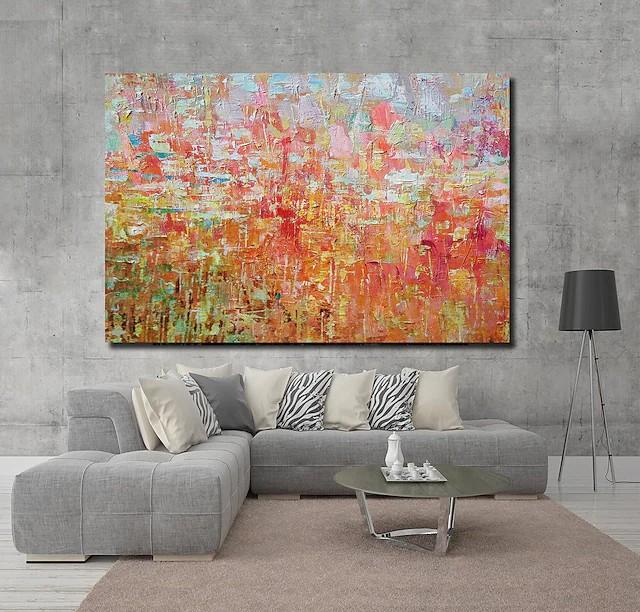
This is the most common place for large abstract art. Do not match the size of the sofa cushion; match the size of the sofa frame. If you have a 84-inch sofa, your art (or arrangement of pieces) should be roughly 56 to 63 inches wide. Crucial tip: Hang the art so the bottom edge sits 6 to 10 inches above the back of the sofa. This creates a visual connection between the furniture and the wall.
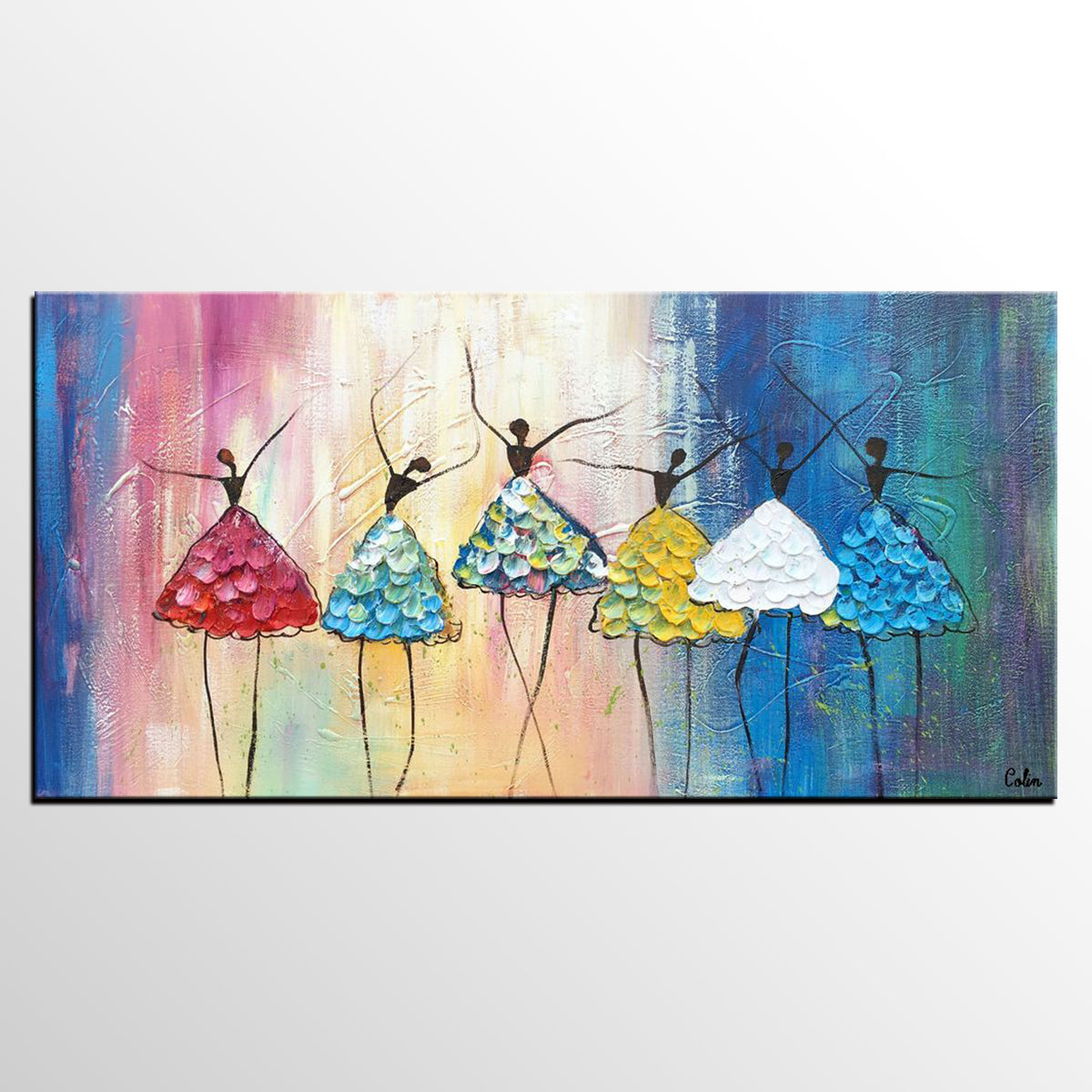
Original Art Autumn Landscape Canvas Wall Art, Large Oil Painting Original Painting, Abstract Wall Art Paintings Ballet Dancer
The Bedroom (Above the Bed)
The bed is the anchor of the bedroom. Your art should be slightly narrower than the headboard or the width of the bed frame. A common mistake is buying a "standard" 24x36 poster for a king-sized bed. It will look tiny. For a queen bed, aim for a width of 48 to 60 inches. For a king, go for 60 to 72 inches.
Palette Knife Paintings Hand Painted Canvas Art, Simple Painting Ideas For Bedroom, Modern Paintings For Living Room
The Dining Room and Hallways
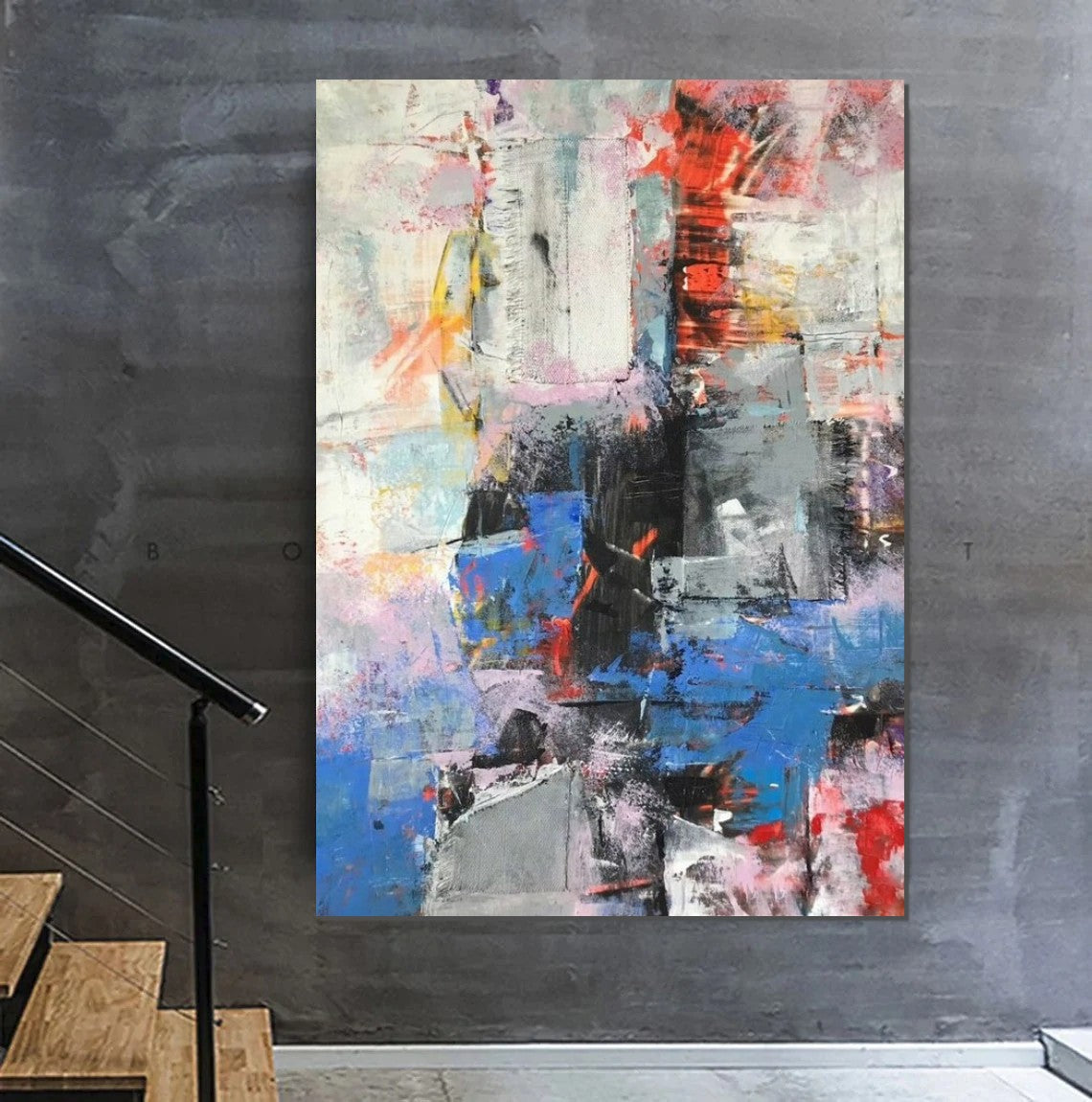
Narrow spaces demand vertical thinking. In a hallway or a skinny dining room wall, avoid wide, horizontal canvases. Instead, look for tall, vertical abstracts or a diptych (two canvases stacked vertically). These elongate the wall and make the ceiling feel higher.
Modern Paintings Behind Sofa, Acrylic Paintings On Canvas, Large Wall Art For Living Room Contemporary Abstract
When to Break the Rules: Gallery Walls and Statement Pieces
Rules are made to be broken, but only intentionally.
-
The Statement Piece: If you have a very minimalist room with low-profile furniture (like a platform bed or a low credenza), you can go oversized. A massive abstract canvas that spans 90% of the wall width creates a dramatic, museum-like impact. Just ensure the art has breathing room—no clutter nearby.
-
The Gallery Wall: Instead of one large piece, you might use 5 to 9 smaller abstracts. In this case, the total footprint of the cluster should follow the 2/3 rule. Lay the arrangement out on the floor first to measure the combined width and height before hammering any nails.
Extra Large Wall Art Painting, Modern Contemporary Abstract Artwork, Hand Painted Acrylic Painting For Living Room
The "Float" Test
Still unsure? Use painter’s tape.
Cut out a rectangle on your wall that matches the dimensions of the canvas you are considering. Leave it up for 24 hours. Sit in your furniture and look at it. Does the tape shape feel too cramped? Does it feel lost? This physical simulation is the only way to truly trust your gut.
The Final Takeaway
Don’t be afraid of going bigger than you think. In the world of abstract art, timidity is the enemy of style. Most people purchase art that is one size too small. Abstract art relies on gesture, flow, and movement—qualities that need space to breathe.
When in doubt, size up. Your walls (and your abstract art) will thank you.
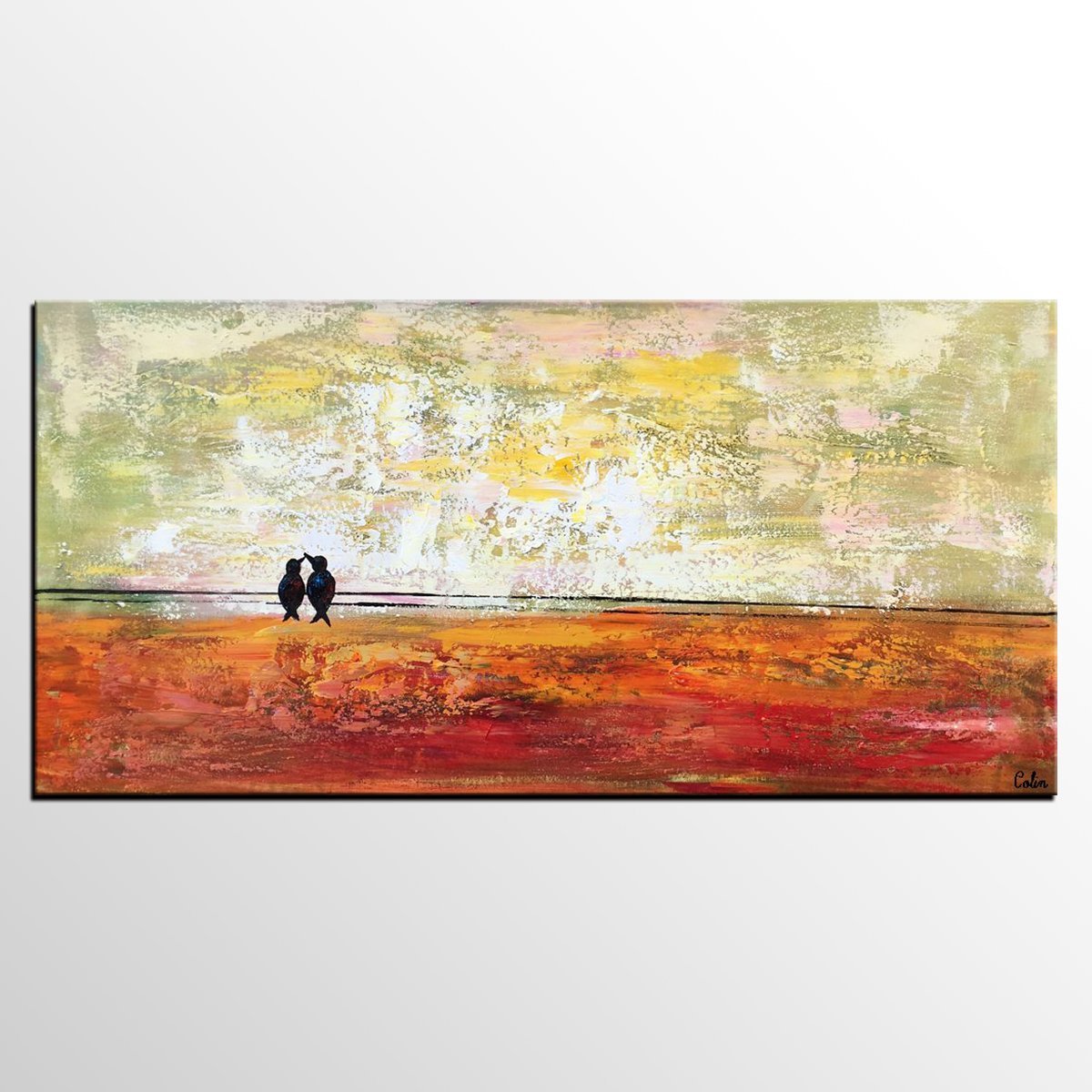
Bird At Wire Painting Original Wall Art, Large Canvas Wall Art Love Birds Painting, Original Artwork Canvas Painting